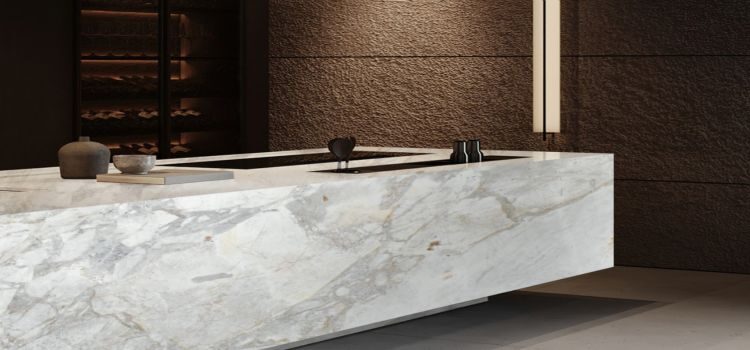
White marble has been around for a long time. You see it in old temples, sculptures, even in modern-day kitchens and hotel lobbies. It’s not just about looks, there’s something about white marble that feels calm, clean, and kind of timeless. It works with pretty much any kind of decor, whether the space is old-school or super modern.
That said, not every white marble looks the same. Some have soft, barely-there lines that blend into the background, while others have strong, bold patterns that pull all the attention. The way each slab is cut, the tone of white, the direction and thickness of the veins, it all changes how the marble feels in a room. That’s why two slabs from the same region can end up looking very different.
In this guide, we’ll go over five popular types of white marble. Each one has its own vibe and works better in some spaces than others. Whether you’re building something new or redoing just a restroom counter, knowing the difference can help you pick something that actually suits your space and how you use it.
Why White Marble Stays in Style
White marble isn’t just some design trend that’s going to fade away, it’s been around for centuries, and for good reason. From ancient sculptures to today’s modern homes, it’s the kind of material that always finds a way to fit in. It’s classic without trying too hard.
One of its biggest strengths is how easily it works with different design styles. Whether you have warm wooden floors, metal fixtures, or glass elements, white marble blends in without clashing. It doesn’t demand attention, but it holds it. In smaller or darker rooms, it reflects light gently, helping the space feel more open and airy.
Another thing people love is how it changes over time. Unlike synthetic materials that start looking tired after a few years, marble develops a soft patina that gives it personality. It doesn’t lose its charm, it gains depth.
And even though each slab is unique, the overall look stays within that familiar white-and-grey spectrum. So whether you lean toward the subtle flow of Carrara or the bold drama of Statuario, you’re still choosing something timeless.
That said, it does need care. Marble can stain or scratch if you’re not careful, but with sealing and a bit of day-to-day mindfulness, it holds up beautifully. It’s a surface that rewards you the longer you live with it.
Types of White Marble
Here are the different types of white marble flooring for your home
1. Carrara
Carrara white marble comes from the Apuan Alps in northern Italy and is probably the most recognizable white marble out there. It’s been around for ages, used in ancient Roman buildings, sculptures, and even in homes today. What makes Carrara stand out is its soft white base, often with hints of grey or light blue, and those gentle, fine grey veins that run across it. The veining doesn’t fight for attention, it just flows, quietly adding texture.
This type of marble works really well in spaces where subtlety matters. Think restroom walls, wide floor areas, or clean kitchen countertops. It blends easily with different materials: wood, metal, matte tiles and doesn’t overpower the space. That’s why it’s so often used in minimalist or neutral designs.
Carrara is also one of the more affordable white marbles. It gives that classic marble look without the steep price of more exclusive types. And because the pattern is consistent, it’s easy to use across large surfaces without visual clutter.
It does need sealing and some care, like all marble but it’s not overly fragile. Over time, it builds character. Slight marks or patina don’t ruin it, they make it feel lived in, which many people actually prefer.
2. Calacatta
Calacatta white marble is unmistakable. It features a crisp white background strewn with bold, dramatic veining in shades of grey, gold, or even warm beige. Unlike Carrara, which tends to be more restrained, Calacatta embraces contrast. Each slab feels like a painting, no two are alike. This is why it’s frequently used in spaces that benefit from a little drama: kitchen islands, fireplace surrounds, and feature walls where the marble itself becomes a focal point.
What sets Calacatta apart is not just its boldness but its exclusivity. It’s quarried from limited regions near Carrara, and its rarity adds to its price. But for those designing a luxury space or aiming to make a powerful statement, Calacatta delivers.
Be prepared, though: this marble isn’t just beautiful, it’s high-maintenance. It needs to be sealed well and cared for diligently to preserve its glow and prevent staining. If you’re someone who appreciates distinctive, gallery-worthy surfaces and is okay with the upkeep, Calacatta won’t disappoint.
3. Statuario
Statuario white marble is another Italian white marble that’s often mentioned alongside Carrara and Calacatta, but it holds its own place in the marble world. It has a base that’s not bright white like Calacatta, but more of a soft, ivory shade, clean, but not stark. The veining is thick and noticeable, often grey, sometimes even leaning slightly towards beige or silver depending on the cut. What makes it interesting is the balance, it’s bold, yes, but not chaotic. There’s a rhythm to the way the veins run across the surface.
Historically, it’s the marble that sculptors turned to. Michelangelo carved his masterpieces from it. That should give you a sense of the kind of clarity and structure it offers. These days, it’s not just for statues or museums. People use it in homes, for large entryways, wall panels behind soaking tubs, or even tabletops where they want elegance without being flashy.
It’s not widely available, and that shows in the price. Statuario is usually one of the more expensive options, and it’s not something you’d use in every corner of the house. But where it fits, it really fits. It brings a quiet kind of luxury, something that doesn’t ask for attention but ends up getting it anyway.
You’ll need to treat it well. It’s marble after all, porous, soft compared to granite, and it reacts to spills if you’re not quick. But for the right space, it’s worth the extra care. This isn’t the kind of surface you choose casually. You choose it when you’re building something lasting.
4. White Dunes

Softer in mood but equally refined, White Dunes is an Indian white marble that brings a sense of serenity to interiors. Its base tone is warm and creamy, and it’s crossed by delicate grey and bluish veins that almost resemble faint watercolor strokes.
This marble is ideal for those who don’t want anything too stark. It brings brightness without being blinding. Its gentleness makes it perfect for family rooms, bedrooms, and spaces that should feel relaxed but still polished.
White Dunes also blends well with earthy design themes, think wooden furniture, linen textiles, and soft lighting. It’s especially effective in homes that lean toward Scandinavian, coastal, or Japandi styles. And since it’s locally sourced within India, it’s more cost-efficient than imported options, without compromising on quality or finish.
It’s not the first name that comes to mind in marble circles, but once seen in use, it tends to stay in memory. For projects that require subtle luxury, White Dunes delivers beautifully.
5. Forest White
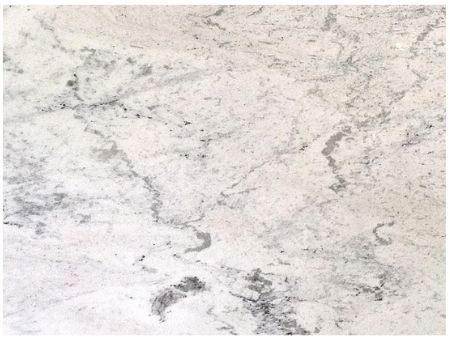
If White Dunes is soft-spoken, Forest White is its dramatic cousin. This marble comes with a creamy backdrop marked by lively, flowing grey-brown veins. Occasionally, darker flecks or bold streaks interrupt the pattern, creating a strong sense of movement.
Forest White is ideal for design features that need to stand out: a staircase wall, an expansive countertop, or even a restroom with dark fixtures for contrast. It’s tough too, which makes it suitable for busy areas like kitchens or high-traffic corridors.
This marble adds personality without overwhelming the rest of the space. Its patterns are more grounded than those in Calacatta or Statuario, but bolder than Carrara or White Dunes, sitting comfortably between classic and contemporary design language.
From a value perspective, Forest White offers an excellent balance between uniqueness, durability, and cost. For homeowners seeking a bold surface with local roots and global appeal, it’s a worthy contender.
How to Choose the Right White Marble
Selecting white marble involves more than picking the one that catches your eye. It’s about choosing what works with your lifestyle, interior style, and budget.
1. Style & Veining
If you’re drawn to minimalism or calm spaces, opt for Carrara or White Dunes. For bolder, luxury-focused designs, Calacatta and Statuario shine. Forest White offers a balanced in-between for people who want character with control.
2. Usage & Surface Type
Some marbles are better suited to certain areas. Carrara and White Dunes work well on floors or wide walls thanks to their subtle patterns. Calacatta and Statuario, with their attention-grabbing veining, are ideal for counters or accent areas. Forest White works almost anywhere, just make sure the surrounding elements allow its patterns to shine.
3. Maintenance Needs
All marble needs care. Acidic spills, sharp tools, and abrasive cleaners can leave marks. Seal the marble annually, use coasters in wet zones, and clean with pH-neutral products. In homes with pets or kids, go for honed finishes; they hide etching better and are easier to touch up.
4. Budget Consideration
Carrara tends to be the most cost-effective. Calacatta and Statuario sit on the higher end due to their rarity and visual appeal. White Dunes and Forest White offer excellent value, combining elegance and affordability, especially for large-scale home projects.
Keeping Your Marble Looking Its Best
White marble is more forgiving than it’s often given credit for, but it thrives with a little care.
- Seal It: Do this every 6–12 months to block stains and moisture.
- Wipe Daily: A soft cloth and a mild cleaner go a long way.
- Use Mats & Coasters: Especially in kitchens, protect your marble from citrus, oils, and wine.
- Avoid Abrasives: Don’t scrub or use acidic solutions. For stains, a marble-specific poultice works better.
- Polish With Caution: Use only if needed, and always test on a small area first. In high-gloss zones, professional repolishing may be worthwhile every few years.
Over time, your marble surface will develop a subtle patina, a natural evolution that adds warmth and character. It’s not a flaw, but a feature.
Planning Your Marble Installation
Visualizing marble in your space is critical. Here are a few planning tips:
- Visit a Slab Yard: Photos don’t show full veining. See the actual slab before making a final choice.
- Try Book-Matching: For walls or vanities, mirror-image veining can create stunning symmetry.
- Choose Your Finish Wisely:
- Polished: glossy and refined, but shows etching easily
- Honed: matte and modern, more forgiving of everyday wear
- Leathered: slightly textured, hides smudges and fingerprints well
Lighting also matters; natural light brings out different tones in white marble, so consider viewing slabs under daylight before buying.
Why Choose Madhav Marbles & Granite Ltd?
When it comes to choosing a reliable source for marble, especially for long-term projects or large-scale interiors, Madhav Marbles stands out for all the right reasons.
With over three decades of experience in the stone industry, we have earned a reputation for quality, consistency, and professionalism. Our manufacturing units, are equipped with modern, eco-conscious machinery that ensures precision cutting, fine polishing, and durable finishes, something that’s hard to guarantee with smaller or newer suppliers.
But what really makes us different is the range we offer. From Indian stones like White Dunes and Forest White to imported granites and specialty slabs, our inventory isn’t limited to just what’s trendy; we cover both timeless classics and lesser-known gems.
Another major plus is our global reach. We regularly ship to clients in over 40 countries, which says a lot about our ability to meet international standards and handle complex logistics. For builders and designers working under tight deadlines, our organized workflow and clear communication save time and prevent headaches.
There’s also a real effort on our part to work sustainably, we have invested in renewable energy and promoted responsible stone sourcing. Altogether, we offer a mix of experience, scale, and reliability that makes us a strong partner for anyone looking to use natural stone in a meaningful, lasting way.
Final Thoughts
White marble, no matter which type you choose, brings a timelessness that few materials can match. From the subtle elegance of Carrara and White Dunes to the bold drama of Calacatta and Forest White, there’s a slab for every kind of space and every type of homeowner.
While it does ask for care, the rewards are unmistakable: a surface that improves with time, grounds your design in natural texture, and reflects not just light, but a sense of lasting beauty.
If you’re planning to incorporate white marble into your next home project, take your time, weigh your options, and connect with our team at Madhav Marbles & Granite Ltd. to understand both the stone and your vision. Contact us for more information.